














Tristan Foster
Latest from Tristan Foster
Agentic development demands a multi-model strategy — and the governance to match

The rapid rise of agentic development has radically transformed the software engineering landscape, compelling enterprises to embrace a multi-model AI ecosystem. The pace of change in software development has outstripped even the most optimistic predictions, leaving enterprises scrambling to keep up. To optimize workflows but avoid provider lock-in, organizations must empower developers to seamlessly orchestrate ...
Google and PwC are closing the enterprise AI trust gap one agent at a time

The race to capture tangible AI value – and to extract a genuine return on investment – has officially moved from isolated experiments to the core of enterprise operations. As enterprises turn to agentic solutions to solve business problems, success now hinges on striking a balance between rapid deployment and unwavering trust. That balance is ...
Google Cloud is rebuilding the enterprise stack for the age of agents
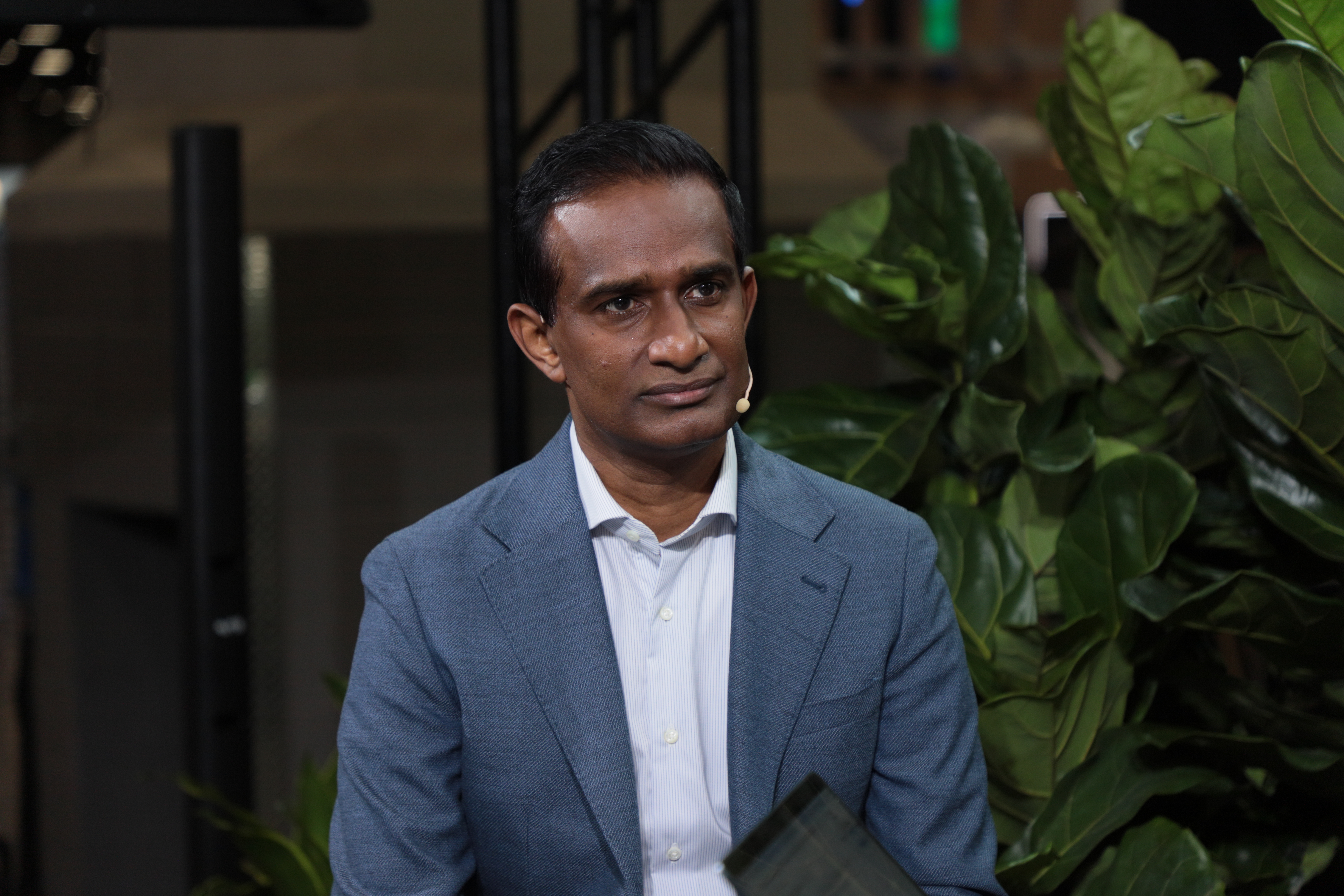
Google Cloud is assembling an ambitious agentic enterprise stack it believes will close the gap between AI ambition and real business outcomes. But the transition from traditional, linear workflows to autonomous systems requires a shift in how organizations view their entire operating model. The focus is no longer incremental automation — it’s building an integrated ...
Appian and PwC make the case that governed AI is the only kind that scales
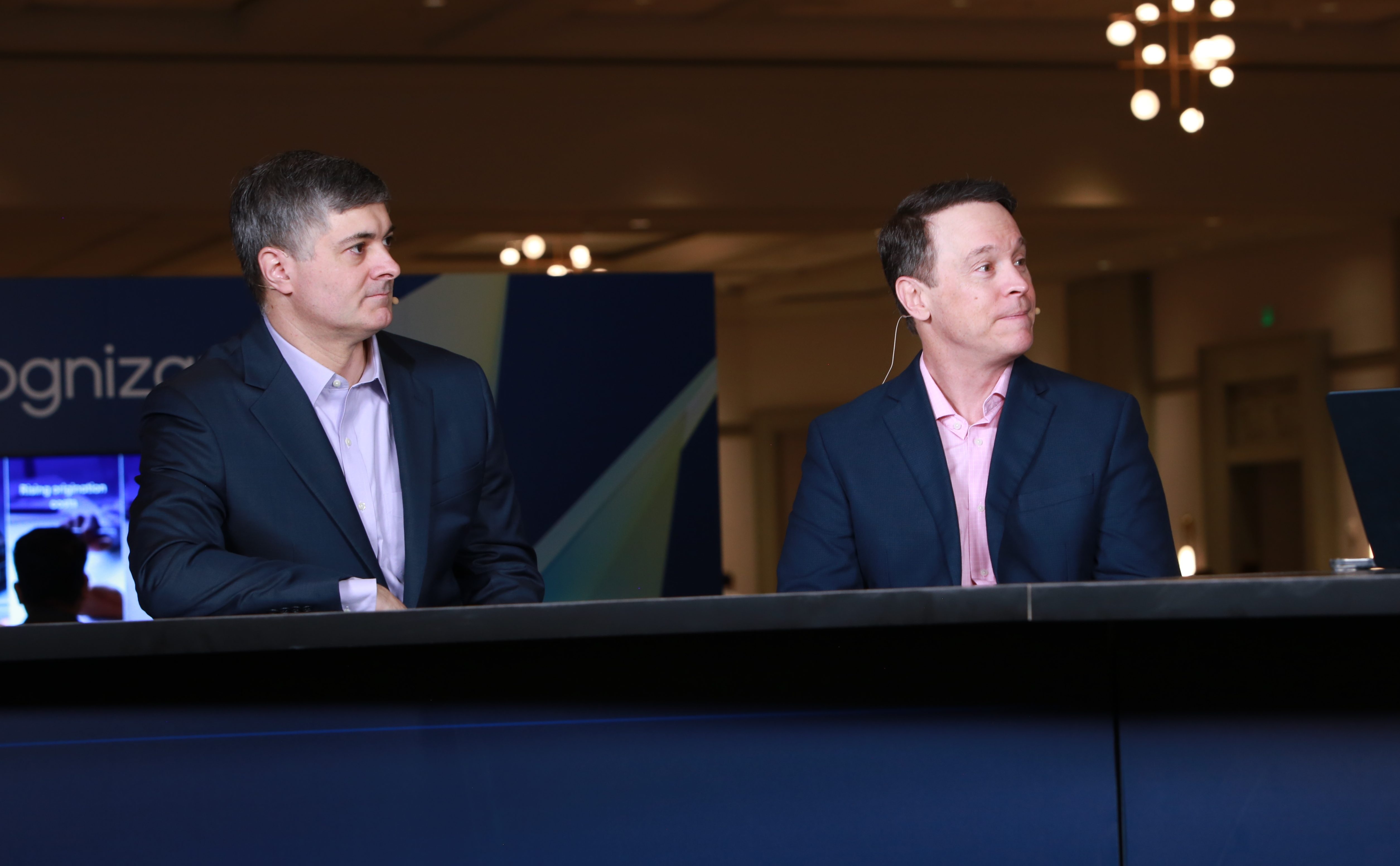
Agentic transformation is reshaping how enterprises operate, moving beyond basic automation to AI systems that can manage entire business processes on their own. But unlocking the full potential of the agentic moment demands more than deploying AI. Instead, it requires embedding it within a secure, structured environment, according to Scott Van Valkenburgh (pictured, right), senior vice ...
SUSE and Vultr’s open cloud infrastructure push goes global
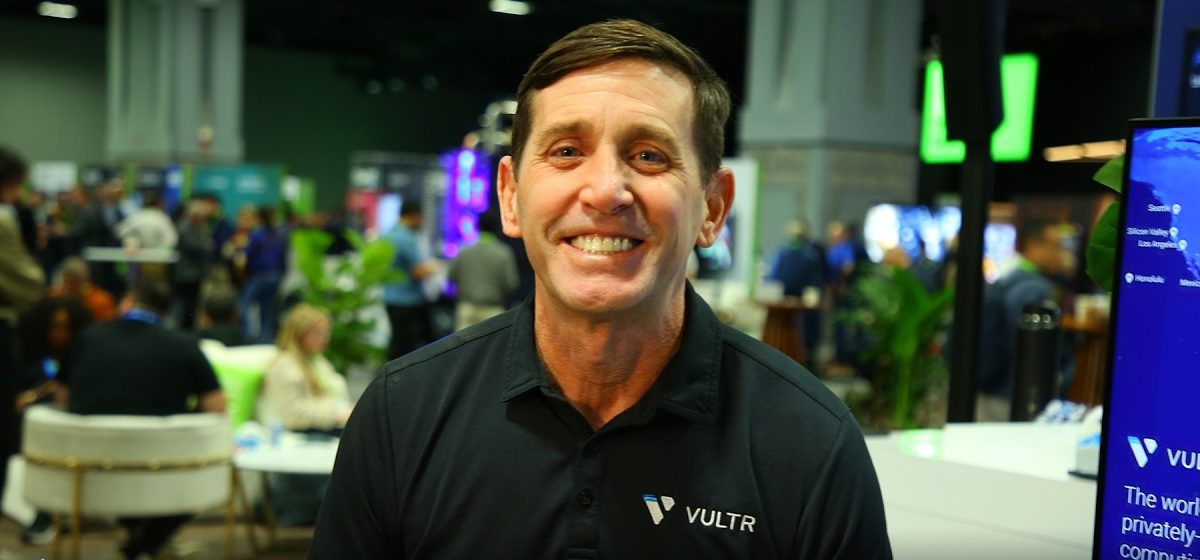
Global AI ambitions keep colliding with the same wall: cloud infrastructure that can’t keep up with performance demands without compromising where data lives and who controls it. As organizations look to roll out agentic applications, they require a foundation that is both compliant and performant. This infrastructure inflection point demands a scalable platform that balances ...
As agentic AI overwhelms enterprise defenses, Oracle makes the case for security baked into the database
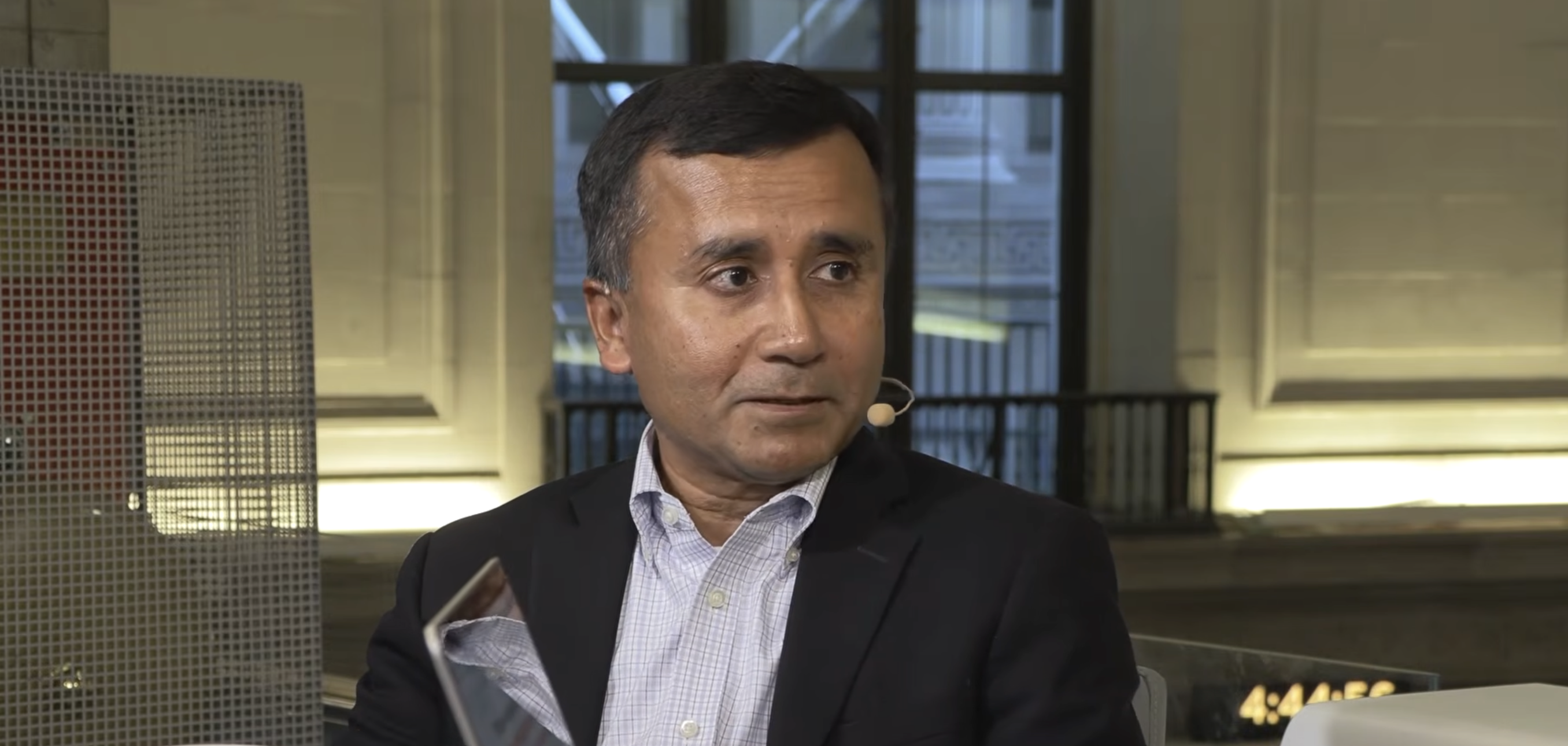
As organizations transition from experimentation with AI to full-scale production, the demand for mission-critical security and absolute data availability has become the primary benchmark for enterprise success. In this era of autonomous agents and increasingly sophisticated cyberthreats, the underlying data infrastructure must provide resilience that is inherent in the system rather than bolted onto it ...
Hospitals are becoming hackers’ favorite target, but downtime simply isn’t an option

Healthcare IT finds itself at a critical intersection where significant data opportunities are colliding with escalating cybersecurity threats. Rural and community hospitals, in particular, are facing intense cost strains as ransomware attacks proliferate. The challenge for healthcare providers is that their expertise lies in clinical care, not IT services, making system resiliency more vital than ever, ...
AI sped up software development, but it also opened the door to more vulnerabilities

As AI drives a surge in software output, security teams are under mounting pressure to use runtime testing to catch risks in running applications. With the volume of machine-generated code exploding across the modern enterprise, security teams are discovering that static code analysis is no longer enough. This disconnect highlights the urgent need to establish ...
As autonomous systems proliferate, agent identity is becoming the next big security battle

The sharp rise of autonomous systems has created a critical need for enterprises to secure AI agent identity with the same rigor used for human employees. But as these digital actors gain access to sensitive systems, who is keeping watch over what they do next? As digital actors start to handle sensitive transactions and access core ...
Enterprises are shouldering a ‘security tax’ driven by tool sprawl and per-endpoint pricing

Modern cybersecurity teams are being bogged down by a heavy security tax that stems from fragmented tools and restrictive pricing models, putting faster, broader protection out of reach when organizations need it most. The traditional industry model forces organizations to choose which assets to protect based on cost, rather than risk. But moving toward an ...